Introduction
Power outages during storms can disrupt your daily life, but having a backup generator can keep your home running smoothly. Installing a generator can be a practical DIY project if you follow the right steps. This guide will walk you through the process of setting up a generator for backup power. For more complex installations, remember that RMS Solutions is here to assist with professional expertise.
Step 1: Choose the Right Generator
Start by selecting a generator that suits your home’s needs. Consider the wattage required to power essential appliances, such as refrigerators, heaters, and lights. Portable generators are suitable for smaller needs, while standby generators offer more comprehensive coverage.
Step 2: Determine the Location
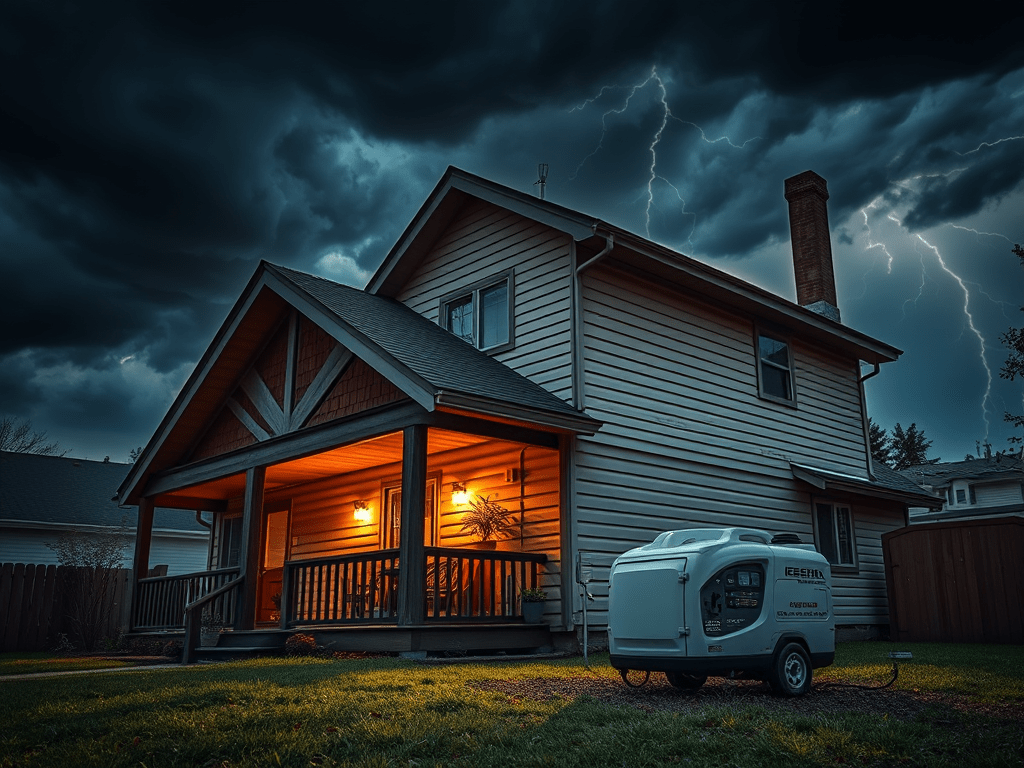
Select a safe location for your generator, ideally outdoors, at least 15 feet away from your home to prevent carbon monoxide buildup. Ensure the area is dry and well-ventilated. A generator cover can protect it from the elements.
Step 3: Install a Transfer Switch
A transfer switch is crucial for safely connecting your generator to your home’s electrical system. It prevents back feeding, which can be dangerous for utility workers. While installing a transfer switch can be a DIY task, consulting a professional electrician is recommended for safety and compliance with local codes.
Step 4: Prepare the Fuel Supply
Ensure you have an adequate fuel supply, whether it’s gasoline, propane, or natural gas. Store fuel safely in approved containers and check your generator’s fuel requirements. Regularly test your generator to ensure it’s in working condition.
Step 5: Test the System
Before a storm hits, test your generator and transfer switch to ensure everything operates smoothly. Familiarize yourself with starting and stopping the generator, and keep the user manual handy for reference.
Step 6: When to Call RMS Solutions
If you’re unsure about any step or if your installation involves complex electrical work, it’s wise to call RMS Solutions. Our team can ensure your generator is installed safely and efficiently, providing peace of mind during stormy weather.
Conclusion
Having a backup generator can be a lifesaver during power outages, keeping your home safe and comfortable. By following these steps, you can install a generator and be better prepared for storms. For any assistance or professional installation, RMS Solutions is ready to help. Stay safe and prepared!

 RMS Solutions